Posts

Showing posts with the label 4th Arr.

Par la Fenêtre

Image
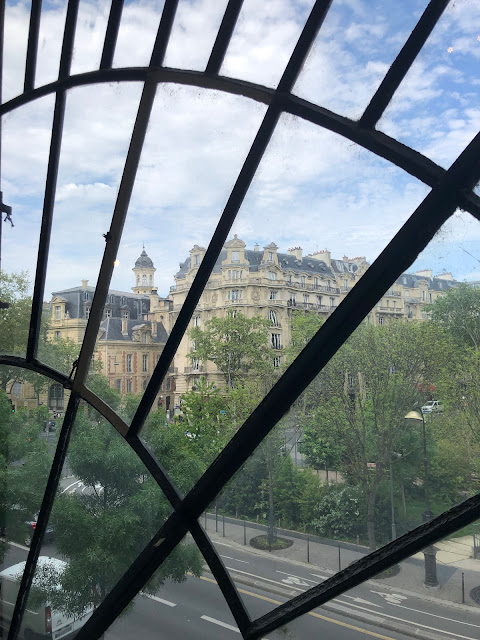
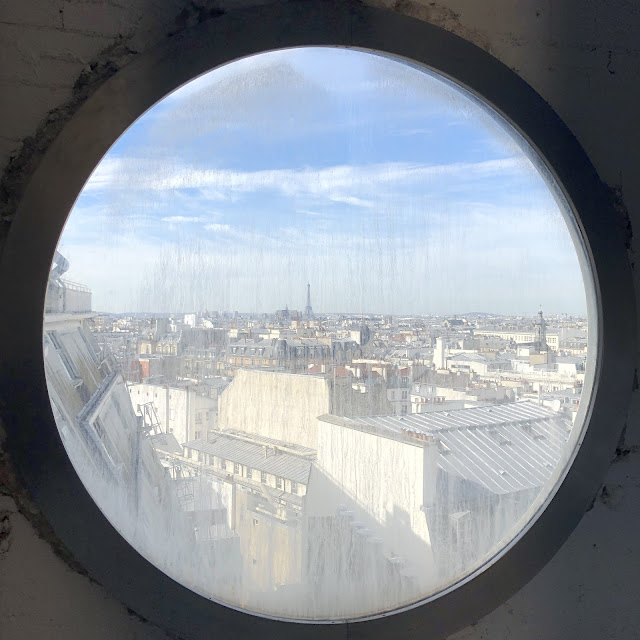
Invader Museum, 3rd Arrondissement Walking through parts of Paris at times feels like being in an architectural museum. Sometimes you catch glimpses of the city framed through a window, usually when you are supposed to be paying attention to something else. Musée de la Vie Romantique, 9th Arr.   Pavillion de l'Arsenal, 4th Arr. Grand Palais Éphémère, 7th Arr. Église Saint-Eustache, 1st Arr. Palais des Papes, Avignon

Thanksgiving Grocery, We Hardly Knew Ya

Image
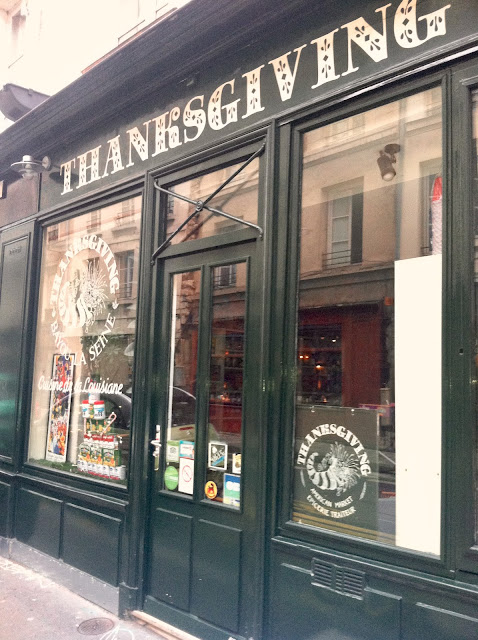
Thanksgiving Grocery, circa 2014, 4th Arr. There's no Thanksgiving holiday in France, though they certainly don't lack for days off from work and school. Even without the traditional US feast day, however, they have had no problem adopting Black Friday sales. Préparez-vous pour les Doorbusters! But up until 2018, an American expat ran the Thanksgiving Grocery in the 4th Arrondissement. It specialized in U.S. brands such as Skippy peanut butter, Jell-O, and Campbell's soup. It also claimed to have "cuisine de la Louisiane," which I assume was just Tabasco Sauce. The store is now closed, although I'm aware of at least one other épicerie Américaine (American grocery store), The Real McCoy, where you can get Thanksgiving fixin's like Jiffy cornbread mix and Libby's canned pumpkin--maybe the only place for canned pumpkin in the entire country. The Real McCoy épicerie Américaine, 7th Arr. It just ain't real Thanksgiving without Uncle Henri's stuffin...
Catacombs Moles

Image
The Pavillion de l'Arsenal began its life as a display space for a wealthy amateur artist's paintings. It has since become part of the Bibliothèque National de France as a center for the study of urbanism. Which means a lot of wall displays of the layout and development of Paris since the Gallo-Roman times, right through its plans into the mid 21st century. It's a big, open space with a glass roof and façade to allow natural light. I was drawn to l'Arsenal for an exposition on the city's animals--particularly the more exotic and quotidien ones that ended up on the menu when food became scarce during the 1870-1871 Paris commune. Think dogs and rats, but also working horses and mules, as well as elephants and antelopes from the city's zoological gardens. "Grand dîner parisien, 1870-1871" by Jean Gauchard (1871) captures some of the gastronomic desperation and horror of the Siege of Paris. Courtesy of Musée Carnavalet, Paris. What I did not expect was the...

Mascarons of Paris: Église Saint-Paul-Saint-Louis

Image
This is the front door of l'Église Saint-Paul-Saint-Louis, in Paris 4th Arr. The church in this iteration was completed in the 17th century, although the diocese of Saint-Paul goes back to the 12th century. This is the real, unfiltered color. l'Église Saint-Paul-Saint-Louis. I'm not sure what lions signify as mascarons, to the Catholic church or anywhere else. But lions are everywhere in the older art and architecture of France, which I find telling. Not to anthropomorphize the African lion, but as symbols, the males seem to connote a type of ruthless thuggery. They don't hunt, but take the spoils of the females in their pride. Much of their lives are spent trying to kill off other male lions (and their cubs) and breeding as much as they can. I'm sure I have oversimplified, but that is the popular conception, and it's easy to see why this would resonate among the upper echelons of society. Look out, Sugar! A Duke!